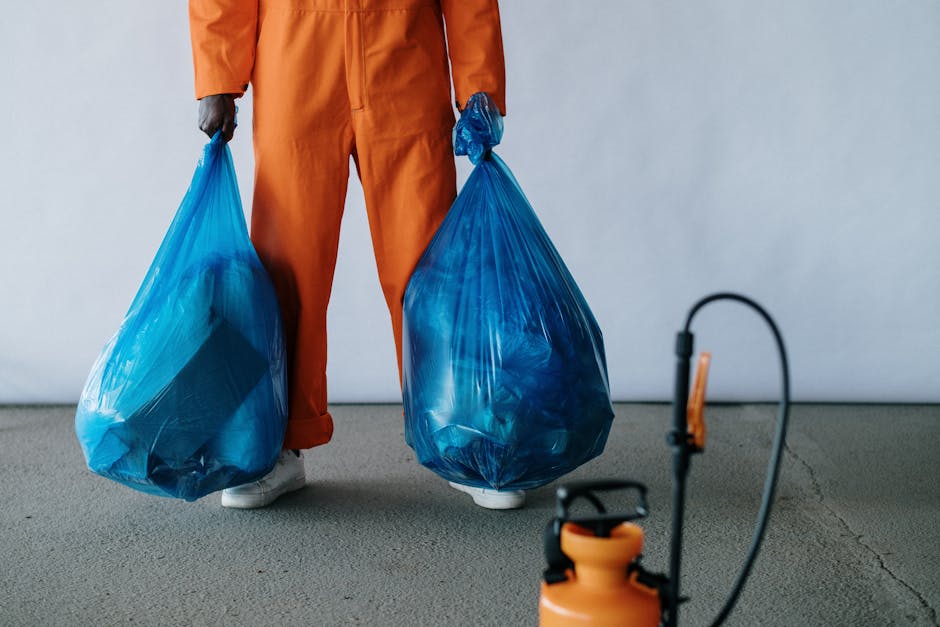
House clearance recycling and eco cleaning in Kingston 2026 update
If you are planning a clear-out in Kingston this year, the hard part is not always the lifting. It is the sorting. What should be recycled, what can be reused, what needs special handling, and how do you keep the cleaning side genuinely eco-friendly rather than just "green in theory"? That is exactly where House clearance recycling and eco cleaning in Kingston 2026 update becomes useful. It brings together the practical realities of house clearance with cleaner, lower-waste methods that suit busy homes, landlords, and moving-day pressure alike.
In real life, this often means dealing with a spare room packed after a move, a probate property with mixed belongings, or an end-of-tenancy situation where the flat needs to be cleared and then left spotless. The best results come from planning the clearance and the cleaning together. Done properly, you reduce landfill, save time, and leave the property ready for its next chapter without that heavy chemical smell that lingers for hours. Let's face it, nobody wants to breathe that in after a long day.
This guide explains how eco-led house clearance and cleaning works in Kingston, what to expect in 2026, where the risks usually lie, and how to make better choices whether you are clearing one room or an entire property.
Why House clearance recycling and eco cleaning in Kingston 2026 update Matters
House clearance and eco cleaning are closely connected. If you clear a property badly, you create extra waste, extra trips, and usually extra cleaning problems too. If you clean without thinking about the clearance process, you may end up wasting products on items that should have been removed, repaired, or recycled first. The practical answer is to treat them as one workflow, not two separate headaches.
That matters even more in Kingston, where homes range from compact flats and Victorian terraces to family houses with lofts, cellars, sheds, and the sort of "temporary storage" spaces that quietly gather five years of life in cardboard boxes. There is often a mix of furniture, paper, textiles, small electrical items, kitchenware, and general rubbish. A thoughtful recycling approach helps separate the reusable from the non-reusable before the van leaves the driveway.
In 2026, most people are also more aware of what cleaning products end up in drains, on surfaces, and in the air. Eco cleaning is not about being precious. It is about being sensible. Lower-toxicity, lower-waste cleaning methods can still give excellent results, especially when paired with microfiber systems, correct dilution, and targeted stain treatment rather than "spray everything and hope".
Expert summary: The best house clearance outcomes usually come from three things working together: careful sorting, responsible recycling, and a cleaning plan that uses only the products and methods the property actually needs.
If you want a broader look at the service standards behind greener work, it can help to review the company's recycling and sustainability approach alongside its general house clearance service. That gives you a better sense of how the pieces fit together.
How House clearance recycling and eco cleaning in Kingston 2026 update Works
The process is usually straightforward, but the detail matters. In a good clearance, everything is assessed room by room, then grouped into categories such as keep, donate, recycle, specialist waste, and dispose. The cleaning stage follows a different rhythm: dust extraction, surface-safe product choice, floor care, kitchen and bathroom treatment, and finally the finishing touches that make the place feel liveable again.
Here is the practical flow many people find easiest to follow:
- Walk the property first. Identify bulky items, fragile pieces, recycling opportunities, and anything that may need specialist handling.
- Separate by material and condition. Wood, metal, cardboard, textiles, and electricals should not all be thrown into one pile if they can be handled responsibly.
- Remove reusables early. Things in decent condition can often be set aside before the general clear-out gets messy.
- Clear in stages. Big items out first, then smaller clutter, then detailed waste sorting. This makes the clean easier afterwards.
- Eco-clean from top to bottom. Start with dusting and vacuuming, then move to kitchen, bathroom, floors, and touchpoints.
- Final inspection. Check hidden edges, behind furniture footprints, skirting, switches, and areas where odours can linger.
Eco cleaning in this setting usually means less wasteful product use, not "no products at all". Sometimes you need a proper degreaser for an oven, or a targeted treatment for a bathroom. The trick is using the smallest effective amount, applied to the right surface, with enough dwell time to work. Anyone who has ever scrubbed a sticky kitchen cupboard at 9pm knows that elbow grease alone has its limits.
For properties with carpets, soft furnishings, or heavy dust build-up, the clearance often links naturally with services such as deep cleaning, carpet cleaning, and upholstery cleaning. Those jobs are often where the final difference is really felt: the room looks clear, but it also smells fresher and feels cleaner underfoot.
Key Benefits and Practical Advantages
There are plenty of reasons to combine clearance recycling with eco cleaning, and most of them are practical rather than ideological.
- Less landfill waste. Sorting items properly can keep more out of the bin and into recycling or reuse streams.
- Cleaner handover. A property cleared and cleaned in the same plan is easier to inspect, photograph, or prepare for sale or tenancy.
- Reduced chemical load. Eco cleaning methods are generally more comfortable for people with sensitive noses or a dislike of overpowering fragrances.
- Better working efficiency. Removing clutter before cleaning means fewer obstacles and less wasted movement.
- More predictable results. When the process is structured, you can see what has been done and what still needs attention.
- Potential cost control. Reuse and recycling can reduce the amount of general waste that needs handling, although this depends on the property and the mix of items.
There is also a subtle but important benefit: it tends to feel less overwhelming. A cluttered property can look like a wall of decisions. Once items are separated into practical groups, the job gets mentally lighter. That is not a small thing. In our experience, people often breathe more easily once the first pile is gone.
Kingston households also often benefit from combining clearance with regular domestic upkeep after the main job is done. Services such as house cleaning or one-off cleaning can help maintain the result rather than letting the property drift back into "just sort it next weekend" territory.
Who This Is For and When It Makes Sense
This approach is useful for a wider set of people than many assume. It is not only for major bereavement clearances or empty houses. In Kingston, the same principles apply to smaller but still messy situations.
It makes sense for:
- homeowners preparing to move
- landlords and letting agents dealing with vacant properties
- tenants needing a clear-out before end of tenancy
- families sorting inherited belongings
- busy households reducing accumulated clutter
- small businesses clearing storage, back offices, or mixed-use premises
It also makes sense when you are dealing with a property that needs a "reset" rather than a simple tidy. For example, a flat may have been left with old furniture, a dusty oven, stained carpets, and a few items that could be reused if only they were separated in time. In that case, a proper plan beats a panic clear-out every time.
If the property is being handed back after a tenancy, pairing clearance with end of tenancy cleaning is often the most sensible option. If the kitchen is the problem area, an oven cleaning visit may be the difference between "acceptable" and genuinely ready. Small details, but they matter.
Step-by-Step Guidance
Here is a practical way to handle the process without making it harder than it needs to be.
- List the main zones. Start with rooms, then break them into problem areas: wardrobes, shelves, under-bed storage, loft boxes, kitchen cupboards, and garage items.
- Set sorting rules before you begin. Decide what counts as keep, recycle, donate, electrical, and general waste. If you make these calls on the fly, the room quickly gets chaotic.
- Protect reusable items early. Put them aside before dust, moisture, or accidental damage makes them unsalvageable.
- Use bags or boxes with labels. It sounds basic, but it saves time. Even a marker pen and a roll of tape can help a lot.
- Clear the largest items first. Mattresses, wardrobes, broken chairs, and bulky storage units are easier to manage before the smaller debris starts spreading.
- Vacuum and dust before wet cleaning. This stops grime from turning into a paste. A tiny, boring step, but very effective.
- Use eco-safe products where possible. Match the product to the surface. Wood, laminate, tile, stone, and soft furnishings all need different treatment.
- Finish with targeted detail work. Skirting boards, handles, taps, switches, and hidden corners often show whether the job has been done properly.
For many Kingston homes, that final detail phase is where the biggest visual improvement appears. Sunlight through a window in the late afternoon can be unforgiving, by the way. It finds every streak and every bit of dust you thought was hidden. A good window cleaning finish can make the whole property feel brighter and more cared for.
Expert Tips for Better Results
These are the things that usually make the difference between a decent job and a really tidy, practical result.
- Sort before you clean. Cleaning around clutter wastes time and tends to spread dust rather than remove it.
- Keep one bin bag for "decision later". Not everything needs to be solved instantly. A small holding area prevents decision fatigue.
- Test surfaces first. Eco-friendly does not automatically mean surface-safe. Always check on an inconspicuous spot.
- Choose fragrance-light products. Strong scent often masks poor cleaning rather than improving it.
- Use microfibre intelligently. Good cloths trap dust well and reduce the need for extra spray. A surprisingly simple win.
- Do the awkward spots first. Under radiators, behind bins, and around handles are small areas, but they influence the whole finish.
- Plan disposal logistics. If you know which items are going out first, you avoid blocking hallways or doors.
Another useful habit: keep a separate note of items that are too good to bin but not worth reusing in the property. Chairs with a wobble, lamps that need a bulb, or storage boxes in decent condition can sometimes be diverted instead of wasted. That kind of thinking is where eco practice becomes real rather than decorative.
For particularly tired interiors, combining the clearance with house cleaning or a broader cleaning company service can help you avoid piecemeal fixes. Truth be told, patching room by room often takes longer than a properly planned visit.
Common Mistakes to Avoid
Most mistakes come from trying to move too quickly. It is understandable. Clearances feel urgent. But rushing usually creates extra work.
- Throwing everything into one pile. This defeats recycling and makes sorting harder later.
- Using heavy cleaning products on every surface. More product is not more effective. Sometimes it is just more residue.
- Cleaning before the clutter is gone. You end up working around obstacles, which slows everything down.
- Ignoring fabric items. Sofas, rugs, and curtains can hold odours and dust long after the visible clutter is removed.
- Forgetting access and lifting risks. Narrow stairs, awkward corners, and heavy items are where problems happen.
- Skipping a final check. Small rubbish and hidden debris can easily be missed behind furniture marks or in cupboards.
A classic one is forgetting that a room can look clear while still feeling unclean. You open the door, and the smell of dust, stale air, or old cooking residue is still there. That is the point where eco cleaning earns its keep. It takes the room from emptied to actually usable.
If soft furnishings are involved, services like sofa cleaning, rug cleaning, or carpets cleaner support can be worth considering after the main clearance. Not every property needs all of them, of course. But when they do, they can change the whole feel of the space.
Tools, Resources and Recommendations
You do not need a van full of specialist kit to work well, but a few sensible tools make a large difference. The goal is to simplify, not overcomplicate.
| Tool or item | What it helps with | Practical note |
|---|---|---|
| Heavy-duty sacks | Grouping waste safely | Use labels so recyclable and general waste do not get mixed. |
| Storage boxes or crates | Separating keep/donate items | Better than random piles in hallways. |
| Microfibre cloths | Dust removal and surface wiping | Reusable and effective when washed correctly. |
| Vacuum with good filtration | Pre-clean dust control | Very useful before any damp cleaning starts. |
| Mild, surface-specific cleaners | Eco cleaning without unnecessary harshness | Choose by surface, not by scent. |
| Brushes and detail tools | Edges, corners, and fixtures | Small tools save a lot of frustration. |
For readers comparing service support, the most useful pages are usually the ones that explain standards and practical expectations. It is worth looking at health and safety guidance and insurance and safety information if you want a clearer picture of how a professional team manages risk.
If you are also planning broader home maintenance, services like domestic cleaning and home cleaners can be a sensible follow-on after a major clearance. A clear house gets dusty again faster than people expect. Annoying, but true.
Law, Compliance, Standards, or Best Practice
When house clearance and cleaning involve waste handling, safety, or access issues, it is wise to follow established UK best practice rather than improvising. The exact legal duties can vary depending on the type of waste, the property, and who is carrying out the work, so this section stays practical and cautious rather than overly specific.
In general terms, good practice usually includes:
- sorting waste responsibly rather than mixing recyclable and non-recyclable material
- keeping walkways clear to reduce trip hazards
- using suitable lifting methods for bulky items
- choosing cleaning products appropriate for the surface and task
- respecting tenant, landlord, or owner expectations for property condition
- handling anything suspicious, damaged, or potentially hazardous with extra care
For professional providers, clear policies matter. That includes transparent terms, safe working methods, and straightforward customer communication. If you are assessing a provider, it is worth checking pages like terms and conditions, privacy policy, and payment and security. They do not tell you everything, but they do show whether the business is organised in a serious way.
Compliance also connects to ethics. A responsible cleaning and clearance provider should be able to explain how it approaches sustainability, workforce safety, and fair working practices. If that matters to you, the company's modern slavery statement and about us page can be helpful reading. Not glamorous, maybe, but worthwhile.
Options, Methods, or Comparison Table
There is more than one way to handle a clearance. The best option depends on the size of the job, the time available, and how much cleaning is needed afterwards.
| Approach | Best for | Pros | Trade-offs |
|---|---|---|---|
| Do-it-yourself clearance and cleaning | Small to medium jobs with flexible timing | Full control, lower labour cost, easy to sort personal items carefully | Time-consuming, physically demanding, easy to underestimate disposal and cleaning effort |
| Clearance first, cleaning later | Properties with a lot of clutter or bulky waste | Efficient sorting, easier cleaning access, clearer separation of tasks | Can require two bookings or more coordination |
| Combined clearance and eco cleaning | Moves, tenancies, probate properties, and full resets | Simpler logistics, better final presentation, less back-and-forth | Requires good planning and clear expectations |
| Clearance plus targeted specialist cleaning | Homes with carpets, ovens, or soft furnishings that need extra care | Better finish in problem areas, more complete handover | Extra services may be needed, depending on condition |
In many Kingston homes, the combined route is the most efficient, especially where the property needs a fast turnaround. If you are dealing with stubborn kitchen build-up or moving-day mess, pairing the main work with oven cleaner support or after builders cleaning can make sense if the surfaces have been left dusty or greasy. Different jobs, same principle: clear the space, then finish it properly.
Case Study or Real-World Example
Here is a realistic Kingston scenario. A two-bedroom flat near the town centre needs to be handed back after the occupants move out. The flat is not filthy, but it is cluttered: an old chair, two shelves of mixed books and papers, a kitchen drawer full of odd bits, and soft furnishings that have absorbed a bit of everyday life. Nothing dramatic. Just the kind of place where the details pile up.
The best approach is to sort first. The chair goes for disposal because it is damaged. The books are divided into keep and donate. Papers are boxed and reviewed. Recyclable cardboard and packaging are separated immediately. Once the space is clear, the cleaning begins with dust removal, then kitchen surfaces, bathroom fixtures, skirting, and the floors. A targeted carpet clean follows because the living room has obvious traffic marks near the sofa line.
The result is not just that the flat looks empty. It feels reset. The air is lighter. The surfaces are easier to inspect. The landlord or next occupant walks into a space that feels looked after, not merely vacated. That final impression matters a great deal more than people think.
In a different home, the focus may shift. A family house with a garage full of old toys, broken storage, and forgotten DIY leftovers could need more careful clearance planning and a deeper clean in the hallway, utility room, and downstairs toilet. Same idea, different shape. The process adapts.
Practical Checklist
Use this simple checklist before, during, or after your clearance and eco-cleaning project.
- Walk through every room and identify what stays, what goes, and what needs sorting.
- Separate recyclable items early so they do not get mixed with general waste.
- Set aside reusable or donation-worthy items while they are still clean enough to save.
- Remove bulky items before starting detailed cleaning.
- Vacuum or dust before using damp cleaning methods.
- Match cleaning products to the surface and the soil type.
- Check high-touch points such as handles, switches, taps, and rails.
- Inspect corners, edges, and behind furniture marks at the end.
- Confirm whether carpets, upholstery, or ovens need specialist attention.
- Review safety, access, and disposal plans before the day begins.
If you are still deciding how much support you need, a quick look at pricing and quotes can help you compare your options without guessing. For larger or more delicate jobs, speaking with cleaners who understand both clearance and eco cleaning is often the simplest next step.
Get a free quote today and see how much you can save.
Conclusion
House clearance recycling and eco cleaning in Kingston in 2026 is really about doing the job in the right order, with the right level of care. Sort before you scrub. Recycle what can genuinely be recycled. Keep reusable items out of the waste stream. Clean with purpose rather than brute force. It sounds simple, and in a way it is, but the difference in the final result can be huge.
For homeowners, landlords, tenants, and families dealing with change, that approach saves time and helps the property feel calmer, fresher, and easier to move on from. It also fits the practical mood of modern Kingston life: more aware, more efficient, and less tolerant of waste for waste's sake.
If you handle the process thoughtfully, you do not just clear a property. You give it a clean handover. And that, to be fair, is what most people actually want.
Frequently Asked Questions
What does house clearance recycling mean in practice?
It means separating items so reusable goods, recyclable materials, and general waste are handled differently rather than all being thrown away together. The aim is to reduce waste and make the clearance more responsible.
Is eco cleaning strong enough for a full house clearance?
Yes, when it is done properly. Eco cleaning does not mean weak cleaning. It means using suitable products, the right dilution, and the correct method for each surface, instead of overusing harsh chemicals.
Should I clear the property before cleaning it?
Usually, yes. Clearing first makes the cleaning faster and more effective because there are fewer obstacles, less dust movement, and better access to surfaces.
What items can usually be recycled during a house clearance?
Common recyclable items include cardboard, paper, some plastics, metals, textiles, wood, and some electrical items, depending on condition and local handling options. Anything damaged or contaminated may need different treatment.
How do I know if something should be kept, donated, or disposed of?
A simple rule helps: if it is usable, clean enough, and realistically wanted by someone else, it may be worth keeping or donating. If it is broken, unsafe, or heavily worn, it is usually better disposed of or recycled where possible.
Can eco cleaning remove strong odours after a clearance?
Often, yes, especially when the odour comes from dust, stale air, kitchen residue, or soft furnishings. In tougher cases, you may need targeted treatment on carpets, upholstery, or ovens as well.
How long does a combined clearance and eco clean take?
It depends on the property size, access, amount of clutter, and how much sorting is needed. A small flat can be quite quick, while a full house with loft or garage clutter naturally takes longer.
Do I need specialist cleaning for carpets or sofas after a clearance?
Not always, but it is common when soft furnishings have absorbed dust, traffic marks, or lingering smells. Carpet and upholstery cleaning can lift the finish noticeably.
What should I ask a cleaning company before booking?
Ask how they approach recycling, what eco cleaning methods they use, how they handle safety, whether they provide insurance details, and how they quote for larger or more complex properties.
Is this service useful for end-of-tenancy properties?
Very much so. Clearance plus cleaning is often the most practical way to prepare a tenancy property for inspection or re-letting, especially if the place has been left with clutter, marks, or worn soft furnishings.
What is the biggest mistake people make with house clearance?
The biggest mistake is rushing the sorting stage. If everything is mixed together at the start, recycling becomes harder, cleaning takes longer, and useful items can be lost in the process.
Where should I start if the job feels overwhelming?
Start with one room, one category, or one obvious problem area. A slow, structured start is better than trying to do the whole property in one frantic burst. Once the first space is clear, the rest feels more manageable.